Summary
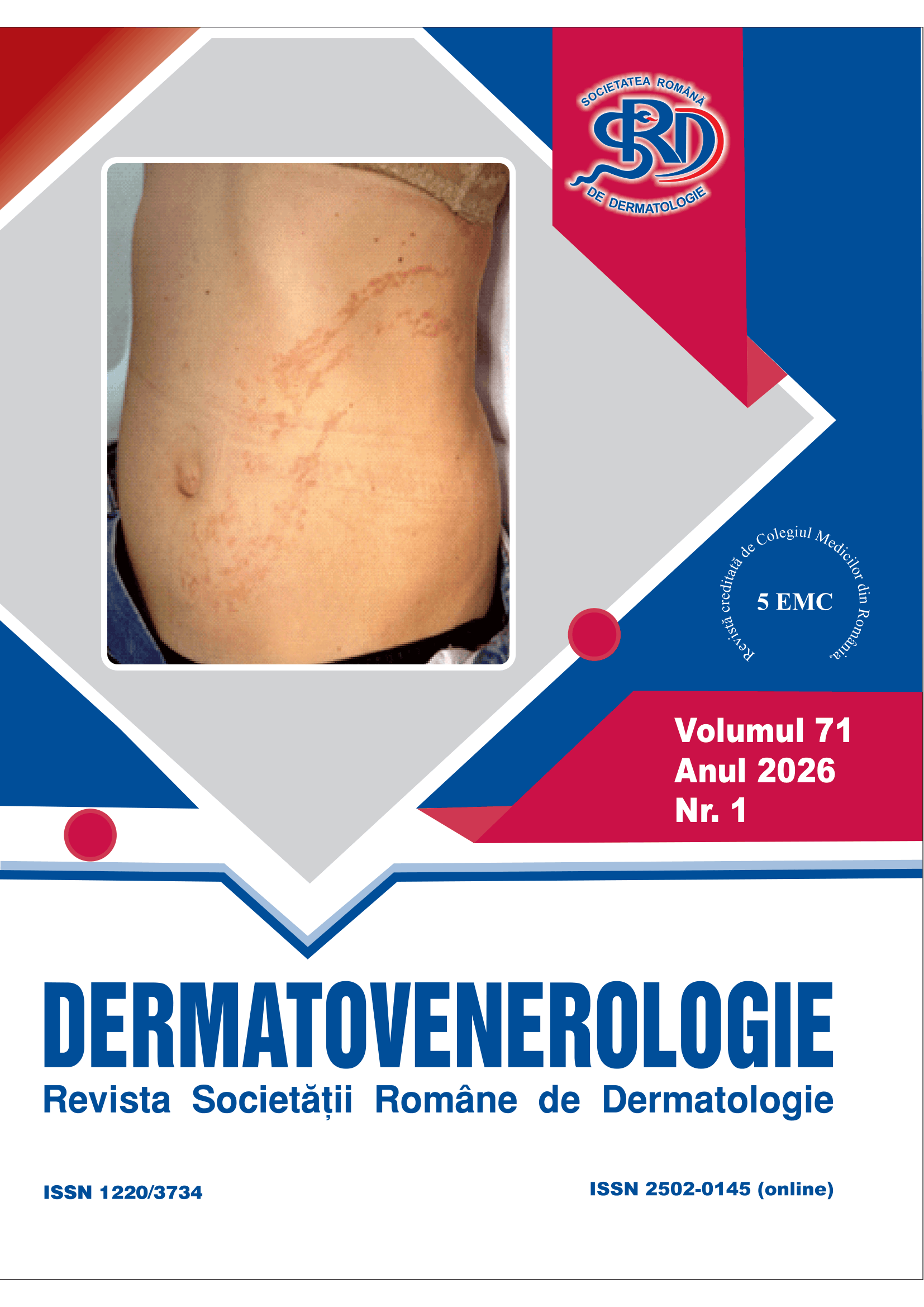
Darier’s disease (DD), also referred to as keratosis follicularis, is a rare autosomal dominant genodermatosis caused by mutations in the ATP2A2 gene. Clinically, DD typically appears during the first or second decade of life, presenting with greasy, hyperkeratotic papules and plaques that predominantly affect seborrheic regions such as the scalp, face, neck, and trunk and occasionally the oral mucosa. Histological examination shows suprabasal clefts with acantholysis, alongside dyskeratotic cells. Current management primarily focuses on symptomatic relief and avoidance of exacerbating factors as available treatments, including retinoids, corticosteroids, vitamin D analogs, photodynamic therapy, and surgical methods, often provide only partial short-term benefits. The following clinical case presented underscores the significance of an accurate diagnosis achieved through the integration of clinical and histopathological findings. Enhanced recognition of this disorder is essential for therapeutic management.